




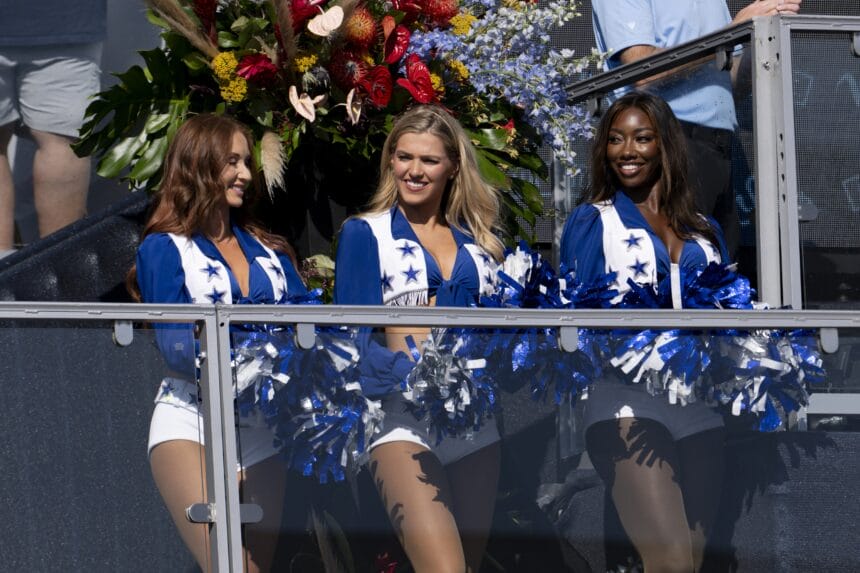
The Dallas Cowboys have made a very “January-minded” move by adding a veteran pass rusher, signaling that the front office is prioritizing late-game defense and playoff-proofing the roster rather than chasing splashier headlines in the skill positions. For a team that already generates pressure in waves, the value of this signing is less about replacing a starter and more about creating a deeper rotation that can survive the long season and still get home on third-and-8 in the fourth quarter.
It’s also the kind of transaction that tends to show up in futures markets quickly. Bettors love quarterback news and offensive fireworks, but bookmakers understand that pass rush depth is one of the most stable indicators of whether a contender can win multiple playoff games in a row.
The Super Bowl Odds
The immediate impact on Super Bowl pricing usually isn’t dramatic when the move involves a veteran defender rather than a franchise quarterback. Still, signings like this can nudge a team’s number in two subtle ways: it can shorten the Cowboys’ odds slightly in the overall market, and it can reduce the “drift risk” that happens when a team is perceived as one injury away from losing its identity.
A veteran pass rusher improves Dallas’ probability in the specific game states that decide postseason outcomes. When offenses become more conservative late, drives are shorter, and third downs are tighter, defensive pressure becomes one of the few levers a team can reliably pull without needing perfect coverage. Books bake that into power ratings, and bettors often follow once the signing becomes widely discussed.
The more important shift is how this affects Dallas’ path through the NFC. Super Bowl odds are a headline number, but the true value is often found in conference and division prices, where matchups and marginal roster strengths matter more than brand perception. A deeper pass rush can be the difference between winning a close road playoff game and watching a season end on a single extended play.
Why Pass Rush Depth Matters More Than Another “Name” Signing
Fans often evaluate defensive acquisitions by sack totals, but front offices tend to care more about repeatable pressure and role flexibility. The veteran profile matters because Dallas can deploy him in multiple ways: early-down containment, obvious passing downs, or as insurance if a younger edge player hits a midseason slump.
The hidden value is fatigue management. Great pass rushes are rarely about one star playing hero ball for 70 snaps. They’re about staying fresh enough to keep burst and hand speed when the opposing tackle is also tired. A veteran who can win a handful of high-leverage reps per game can be worth more than a player who piles up snaps but fades late.
Dallas has leaned into rotational pressure packages for years. Adding another credible rusher gives the coaching staff more options to keep matchups favorable, especially against teams that protect well and force you to rush with discipline instead of gambling for strip sacks.
How This Changes Matchups Against Elite Quarterbacks
When the Cowboys are priced against top-tier offenses, the handicap often comes down to one question: can Dallas affect the quarterback without selling out in coverage? If you can rush four, you can keep numbers behind the ball and avoid the back-breaking explosives that swing playoff games.
A veteran pass rusher helps Dallas in two matchup types that matter most in the postseason. The first is against quick-game offenses that try to neutralize pressure with timing and rhythm. Rotational edge players can press harder knowing they won’t be asked to play every snap. The second is against mobile quarterbacks who punish undisciplined rush lanes. Veterans tend to be more assignment-sound, which reduces scramble conversions and the “demoralizing third-and-long run” that flips momentum.
If the Cowboys are going to make a real Super Bowl run, it’s likely because they win the trench moments that don’t show up as highlights: collapsing the pocket on schedule, forcing early checkdowns, and turning red-zone drives into field goals.
What It Means for Dallas’ Regular Season Betting Profile
This signing also has a practical ripple effect on weekly betting. Teams with deeper pass rush rotations can become more reliable in two specific markets: spreads against pass-heavy opponents and game totals when the defense can create negative plays.
If Dallas can generate pressure consistently, it supports a game script where the offense doesn’t need to play perfect. That matters for covering numbers. It also matters for live betting, because pressure is one of the quickest ways to change win probability in real time. A defense that can manufacture sacks and hurried throws can swing a game in two snaps, which makes Dallas less fragile when trailing and more dangerous when protecting a lead.
Just as importantly, depth can protect against the midseason wobble that hits contenders. Oddsmakers tend to shade top teams aggressively, and the Cowboys are almost always priced like a public favorite. One of the few ways to justify that tax is to field a roster that keeps its edge late in the year, both physically and structurally.
The Bigger Question: Is This the “Right Kind” of All-In?
This move reads less like a headline chase and more like a playoff correction. Teams that disappoint in January often spend the offseason trying to fix the last thing that failed them. A veteran pass rusher is a bet on being able to close games against quality opponents, not just stack regular-season wins.
It doesn’t guarantee anything. Dallas will still be judged on quarterback play, red-zone efficiency, and situational coaching. But in a league where margins are thin, defensive line depth is one of the cleaner, less volatile ways to raise a team’s floor and give it a better chance to survive the randomness of a single-elimination postseason.